Field Report · Barranquilla, Colombia
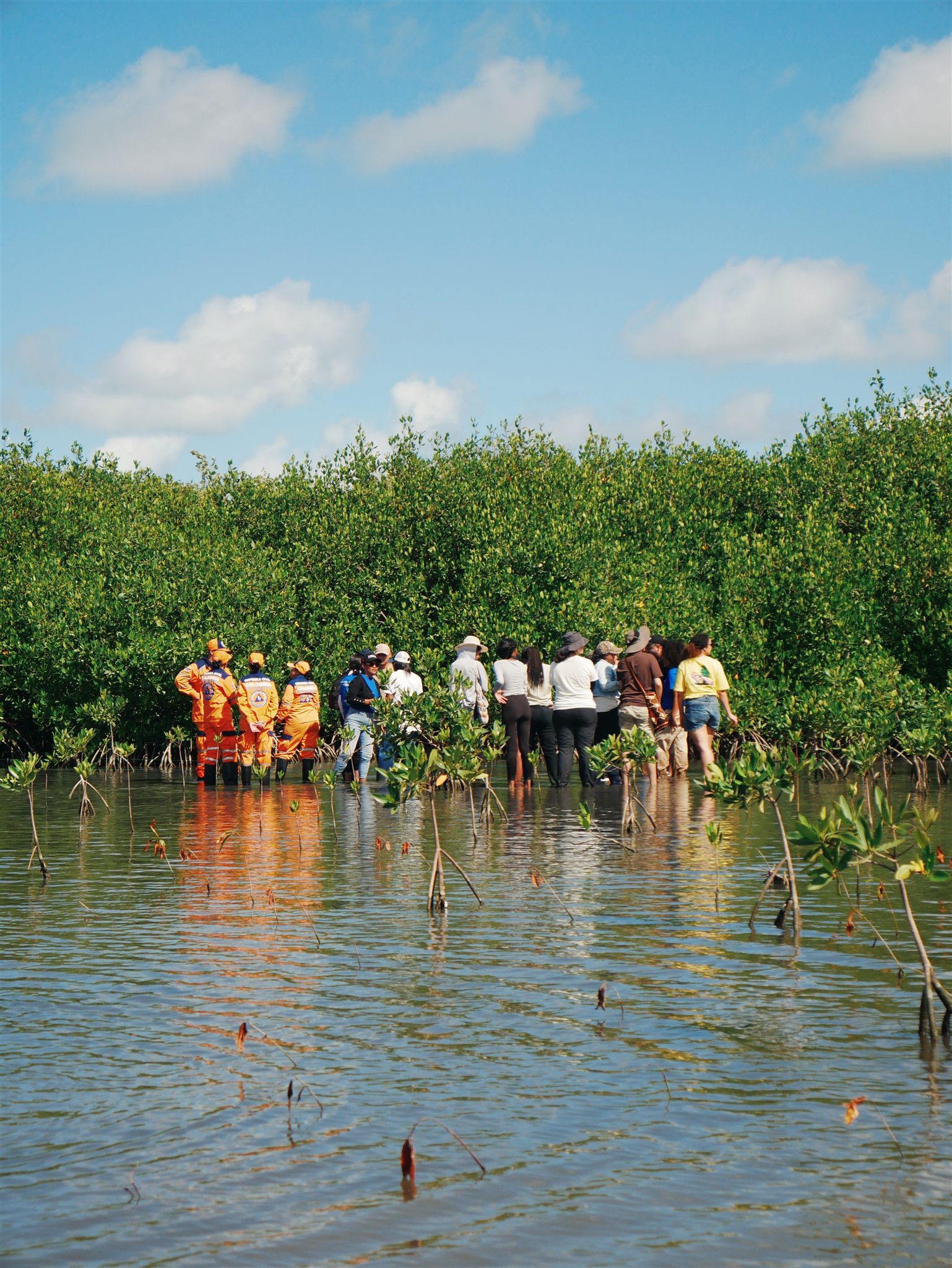
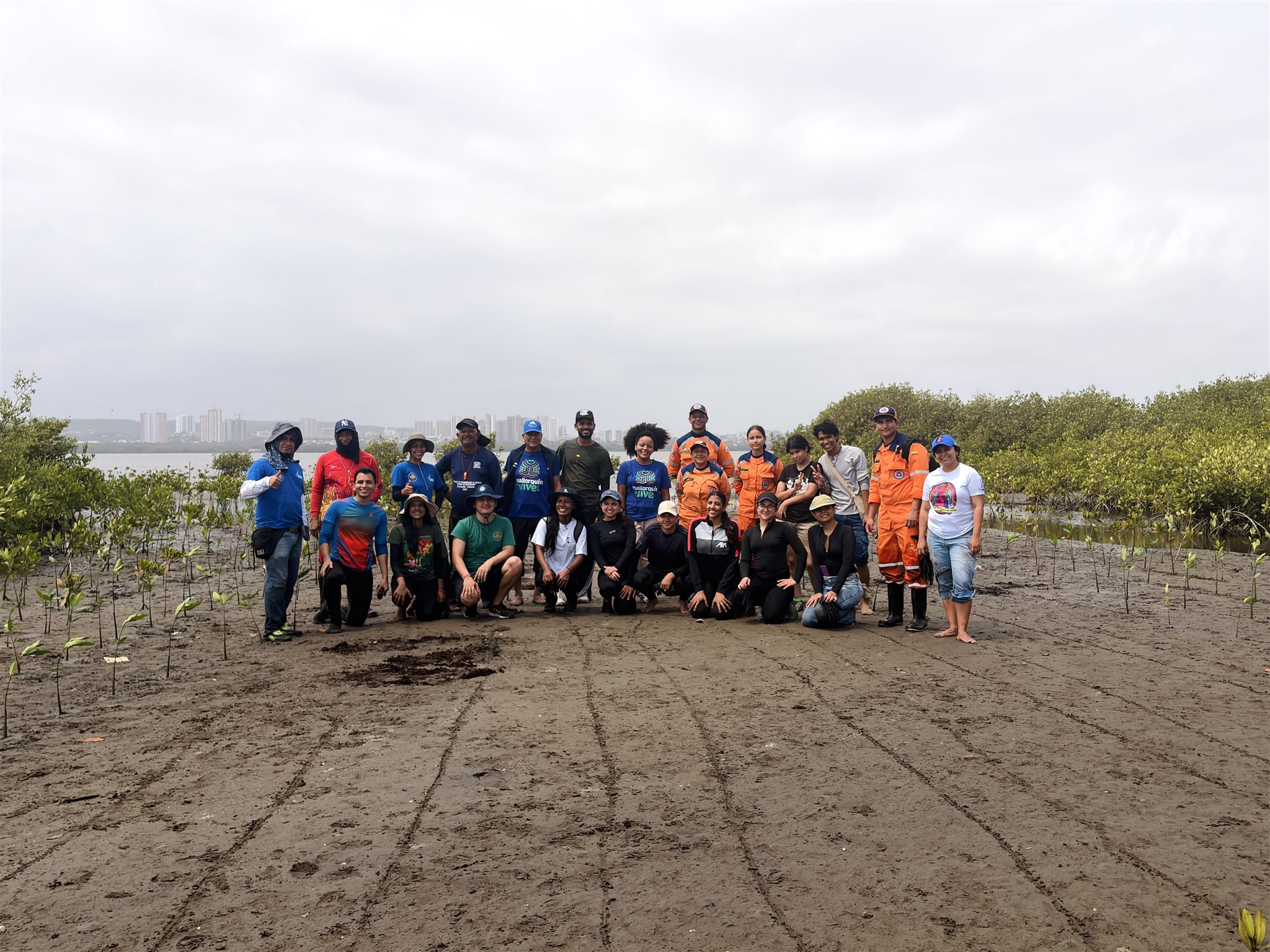
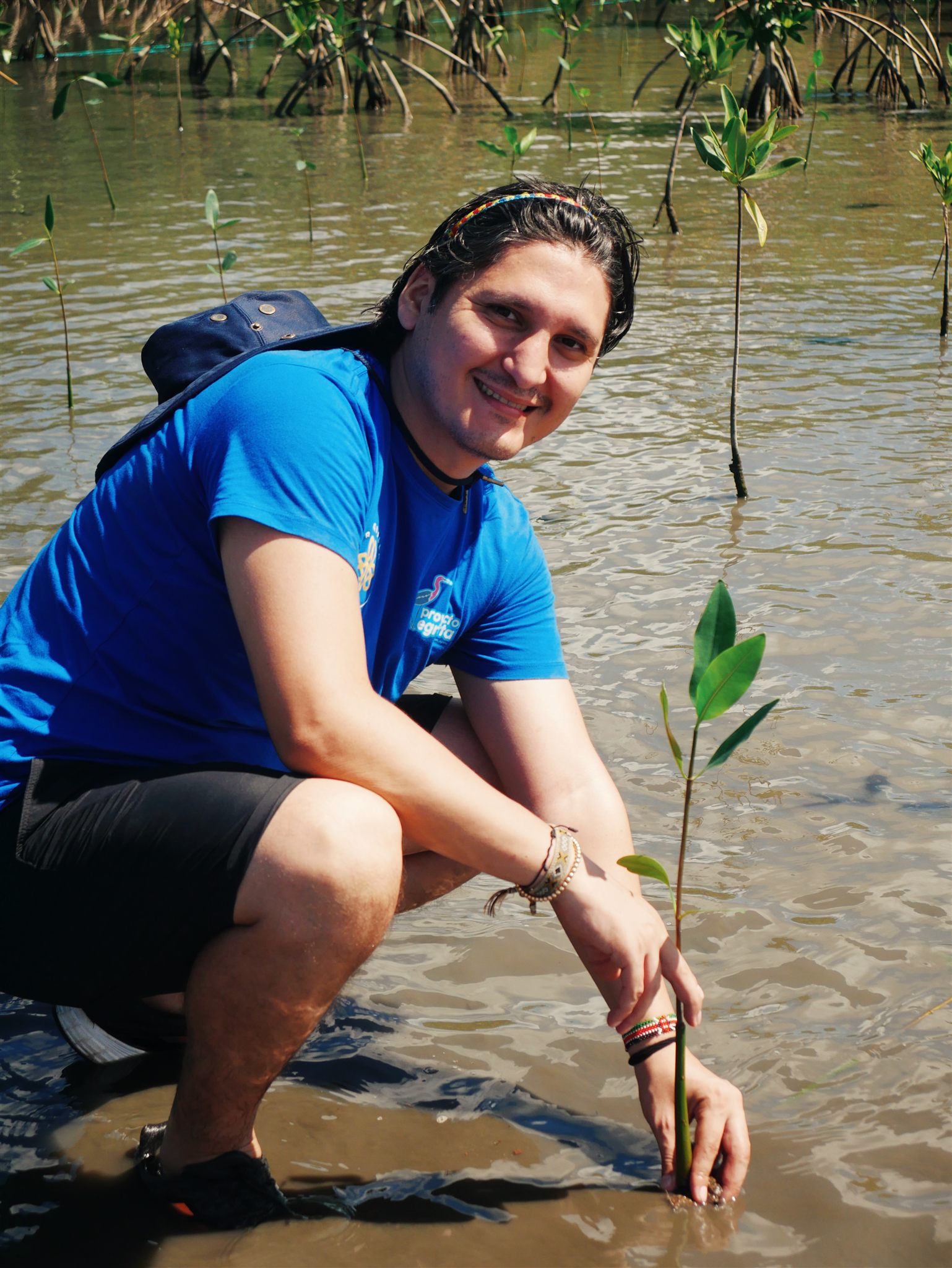
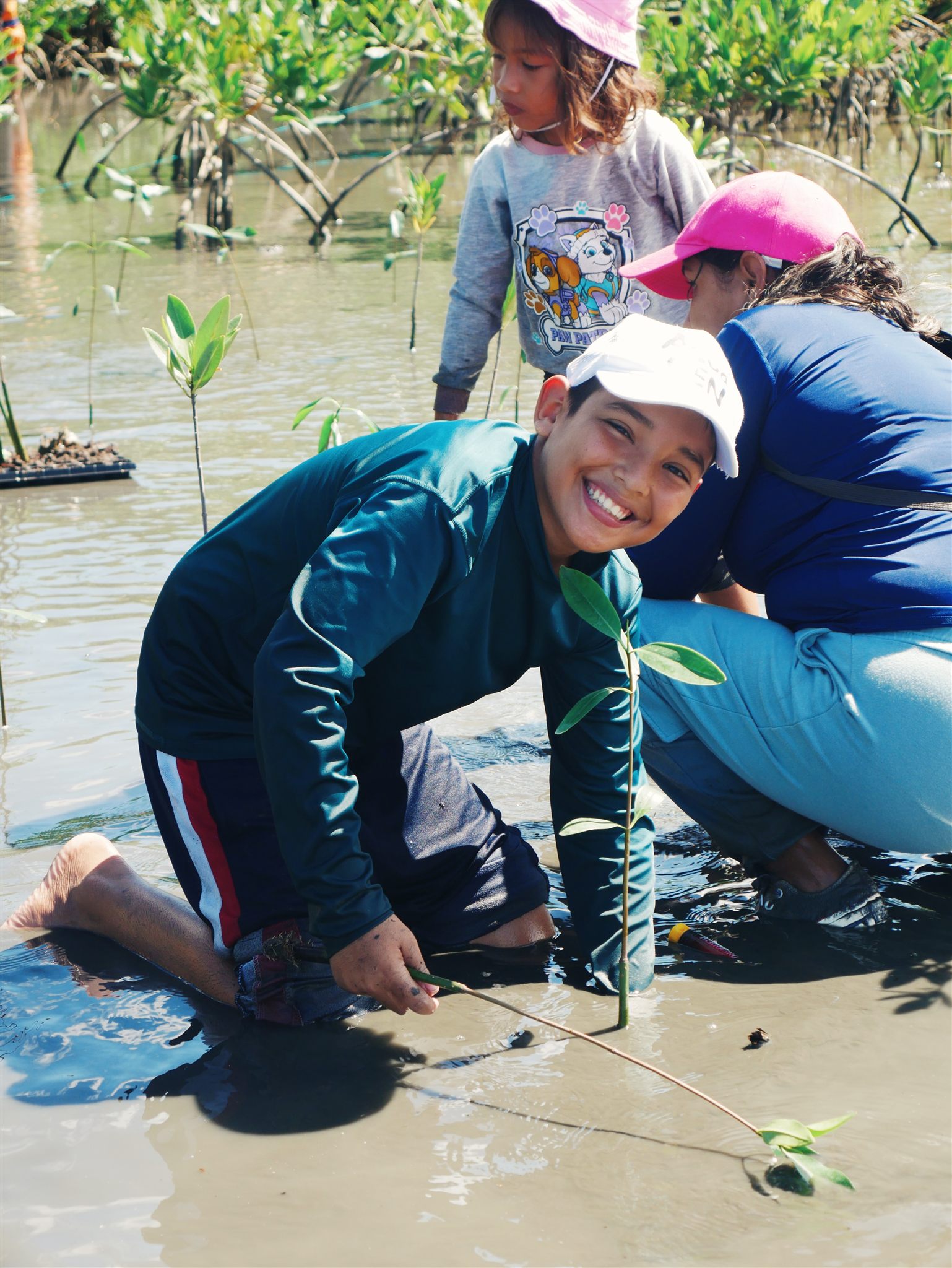
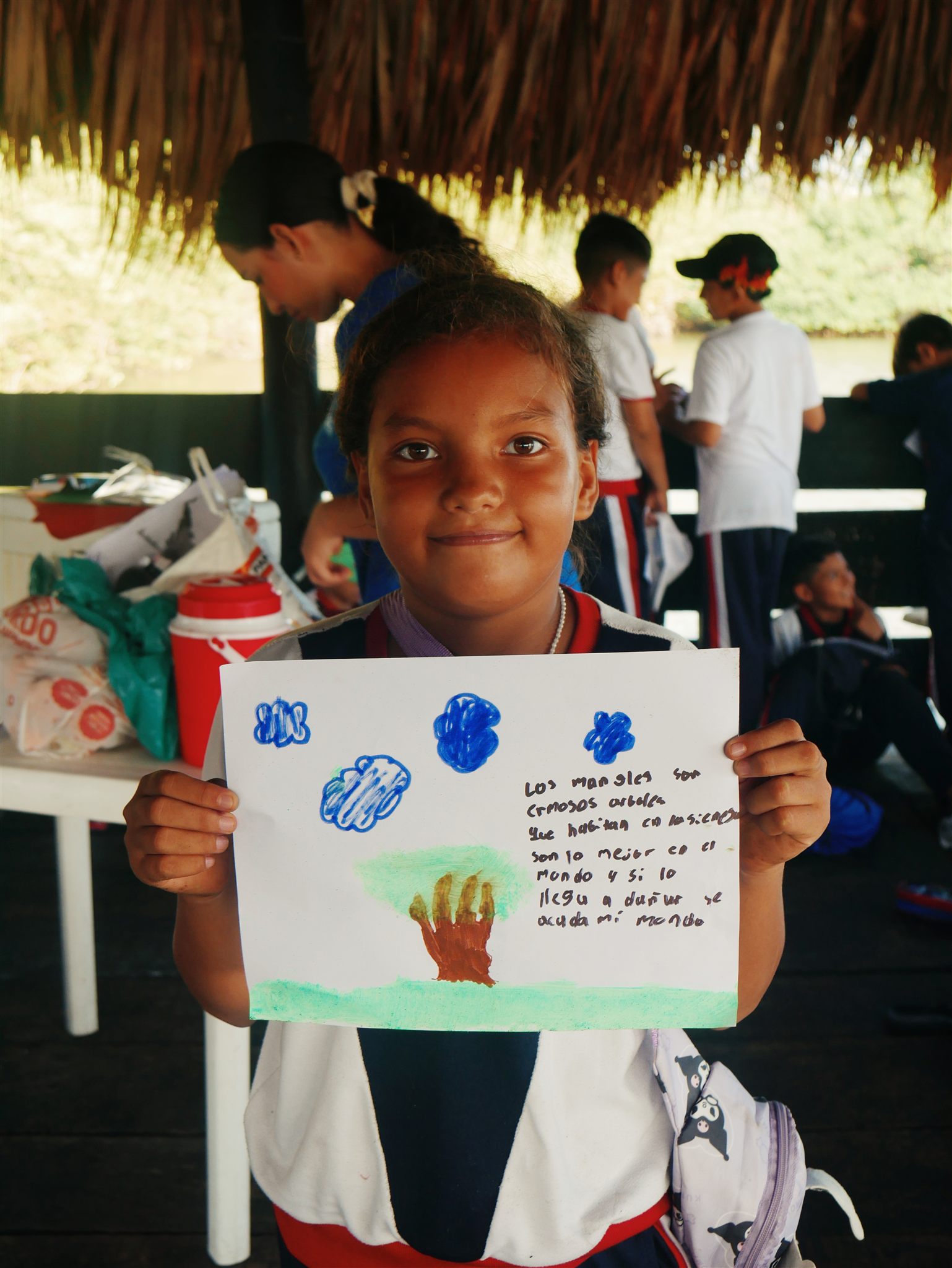
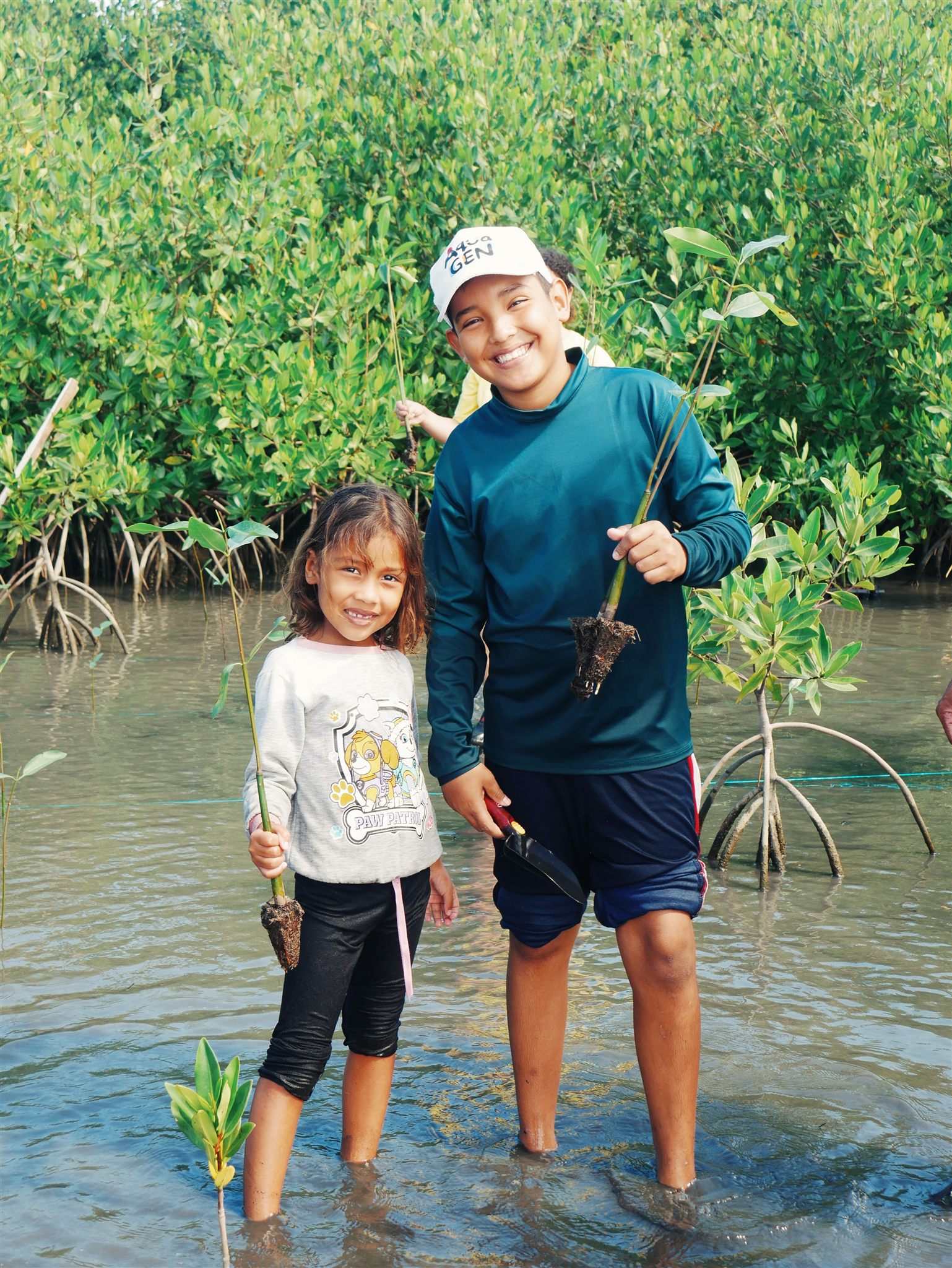
In Sofía Acevedo Navarro’s photographs, the Ciénaga de Mallorquín is not an empty landscape waiting to be repaired. People are present in the frame. They gather, plant mangroves and care for a wetland whose future is inseparable from their own.
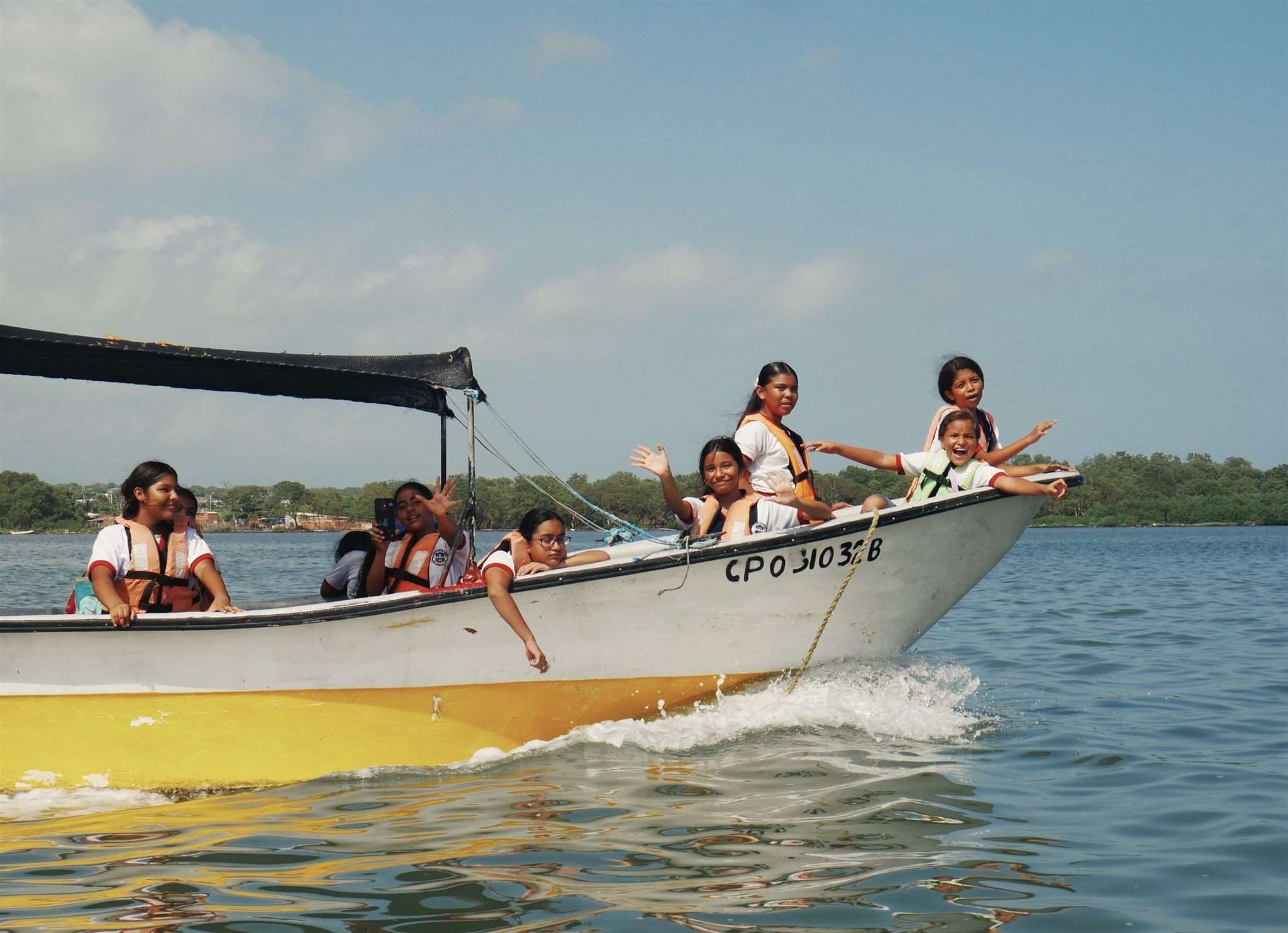
The images were made during a community mangrove restoration and planting activity organized around the wetland in Barranquilla, Colombia. Acevedo, who coordinates communications and multimedia for Fundación Barranquilla+20, uses photography to document the restoration process and the people who sustain it. The broader account developed by Fundación Barranquilla+20 and the MallorquínVIVE team connects that work to water and public health, mangroves and livelihoods, local memory and future decisions.
That distinction matters because a wetland can be treated as a technical problem — a body of water to be cleaned, mapped or redesigned — while the people who depend on it remain outside the frame. In written responses developed collectively by Fundación Barranquilla+20 and the MallorquínVIVE team, the Ciénaga is described from the opposite premise: “The Ciénaga de Mallorquín cannot be understood solely as an isolated ecosystem.” It is also a territory woven into community history, work and identity.
A wetland is also a social territory
The Ciénaga de Mallorquín sits where freshwater and coastal systems meet near Barranquilla. The city describes it as its only urban wetland and as an important refuge for mangroves, fish, birds and native plant life. Fundación Barranquilla+20 has worked in and around the area through MallorquínVIVE, an initiative that connects ecological restoration, community participation, conservation communication and climate adaptation.
The team’s account, however, resists presenting the wetland as a success story with a simple before and after. Pollution remains one of the organization’s greatest concerns. Fundación Barranquilla+20 explained that when contaminants enter the water, they can change its physical and chemical conditions, damage aquatic plants and animals, move through the food chain and create risks for people who consume contaminated fish. What appears to be an ecological problem can therefore become a livelihood and public-health problem as well.
According to the organization, meaningful progress will require stronger sanitation infrastructure, movement toward adequate sewage treatment, continued environmental education and better coordination among public institutions. Yet infrastructure alone is not the full measure of recovery. In the MallorquínVIVE approach, restoring the wetland also means strengthening the relationship between the ecosystem and the society around it.
We cannot speak of ecological restoration without taking into account the social, economic, and cultural conditions of the communities that live around it.
Fundación Barranquilla+20 · MallorquínVIVE
In the organization’s account, the recovery of Mallorquín must be environmental and social at the same time.
Visible progress does not erase unfinished work
Barranquilla has increasingly described itself through biodiversity, urban greening and the recovery of coastal ecosystems. In collective responses for this essay, Fundación Barranquilla+20 and the MallorquínVIVE team described changes that point in different directions at once. Drought, erosion and vegetation loss reveal the pressure of climate conditions. Wastewater, solid waste and other forms of contamination continue to move through the watershed. At the same time, the team reported that some areas appear to have clearer water, and fish species such as mullet have begun to reappear near the ecopark after becoming less common or absent.
Those observations should not be read as evidence that the work is complete. They show why restoration must be monitored over time and across jurisdictions. What happens in the wetland is connected to what happens upstream, including in the Arroyo León, one of the waterways that drains toward the ciénaga. Barranquilla’s government reports that a solid-waste trap has operated there since 2012 to intercept debris before it reaches the wetland and the Caribbean Sea.
The MallorquínVIVE team said environmental authorities — including EPA Barranquilla and the Corporación Autónoma Regional del Atlántico, or CRA — must exercise their responsibilities across the territory while creating meaningful ways for affected communities to participate. The team pointed to the recent updating of the wetland’s watershed planning and management process, known in Colombia by the acronym POMCA, as an example of why public planning should be collaborative rather than merely presented to residents after decisions have been made.
Conservation, in this view, is not a project delivered to a community. It is a process built with people who already understand the wetland through work, memory and daily dependence.
Knowledge that policy often overlooks
The climate crisis is often communicated through temperature records, emissions pathways and risk projections. Fundación Barranquilla+20 does not reject that evidence; its team asks what disappears when it becomes the only evidence that counts.
Fundación Barranquilla+20 treats everyday knowledge, care work, territorial memory and intergenerational exchange as essential forms of climate knowledge. Women, girls and young people often understand environmental change through relationships that formal data can miss: where water once moved, which plants or fish have become harder to find, how food systems are changing, and which forms of care hold a community together during disruption.
Too often, the MallorquínVIVE team argued, community-based knowledge is reduced to a supporting example after institutions have already defined the problem. Fundación Barranquilla+20 instead argues that people with lived experience should help decide what the problem is, what dignified recovery would look like and which solutions deserve support. Their participation matters not only because they face climate injustice, but because they are already developing responses.
Listening comes before planning
This principle changes the order of environmental work. In its collective responses, the team wrote, “We understand community listening as a fundamental part of planning, rather than a step that comes afterward.”
Before defining an activity, the organization seeks to understand the experiences, priorities and knowledge of the people who live in and defend the territory. In the Ciénaga de Mallorquín, those conversations influenced both the aims of the work and the way it was carried out. In the team’s account, restoration could not be limited to planting mangroves. It also had to strengthen local knowledge, include community members in monitoring and care, and create spaces for training and continued dialogue.
The difference is not cosmetic. A project may meet a planting target and still fail if no one has the resources, authority or institutional support to care for the restored area afterward. Long-term sustainability depends on the capacities and leadership of those who remain when a funded activity ends.
That is why Acevedo’s photographs matter. They do not present local residents as background figures beside a landscape being rescued by someone else. They show people as participants in the wetland’s future.
What restoration looks like
Environmental photography often begins with damage: polluted water, eroded soil, disappearing vegetation. Those images can make a crisis visible, but they can also leave the public with the impression that threatened communities are defined only by what has been lost.
Acevedo selected a different emphasis for this photo essay. She wants readers to see people actively caring for the Ciénaga de Mallorquín. The environmental pressures remain present, but so do collective action, knowledge and connection. Restoration appears not as a single achievement but as work carried out by many hands.
The photographs also sit within the team’s broader account of recovery. Clearer water or returning fish can be signs of improvement. A planted mangrove can mark a beginning. Yet Fundación Barranquilla+20 argues that the deeper test is whether institutions continue to coordinate, whether pollution and inadequate sanitation are addressed, and whether communities retain a meaningful role in decisions about the territory.
In that collective account, a wetland is not fully restored when it merely looks greener. It is restored when ecological repair strengthens, rather than separates, the relationship between an ecosystem and the people whose lives are tied to it.
Our First Licensed Collaboration
In collaboration with Fundación Barranquilla+20 and MallorquínVIVE
Photographs by Sofía Acevedo Navarro, provided courtesy of Fundación Barranquilla+20 and the MallorquínVIVE project team, and published here with their permission. “Building the present we want” — Barranquilla, Colombia.
Source Note
This feature combines photographs and image-specific perspectives provided by Sofía Acevedo Navarro with written responses and broader reflections developed collectively by Fundación Barranquilla+20 and the MallorquínVIVE project team.
Background information was checked against public sources: the Fundación Barranquilla+20 official website, team profile and description of programs and values; the Barranquilla city government overview of the Ciénaga de Mallorquín and its information on the Arroyo León waste trap; and the Re Earth Initiative profile of MallorquínVIVE.