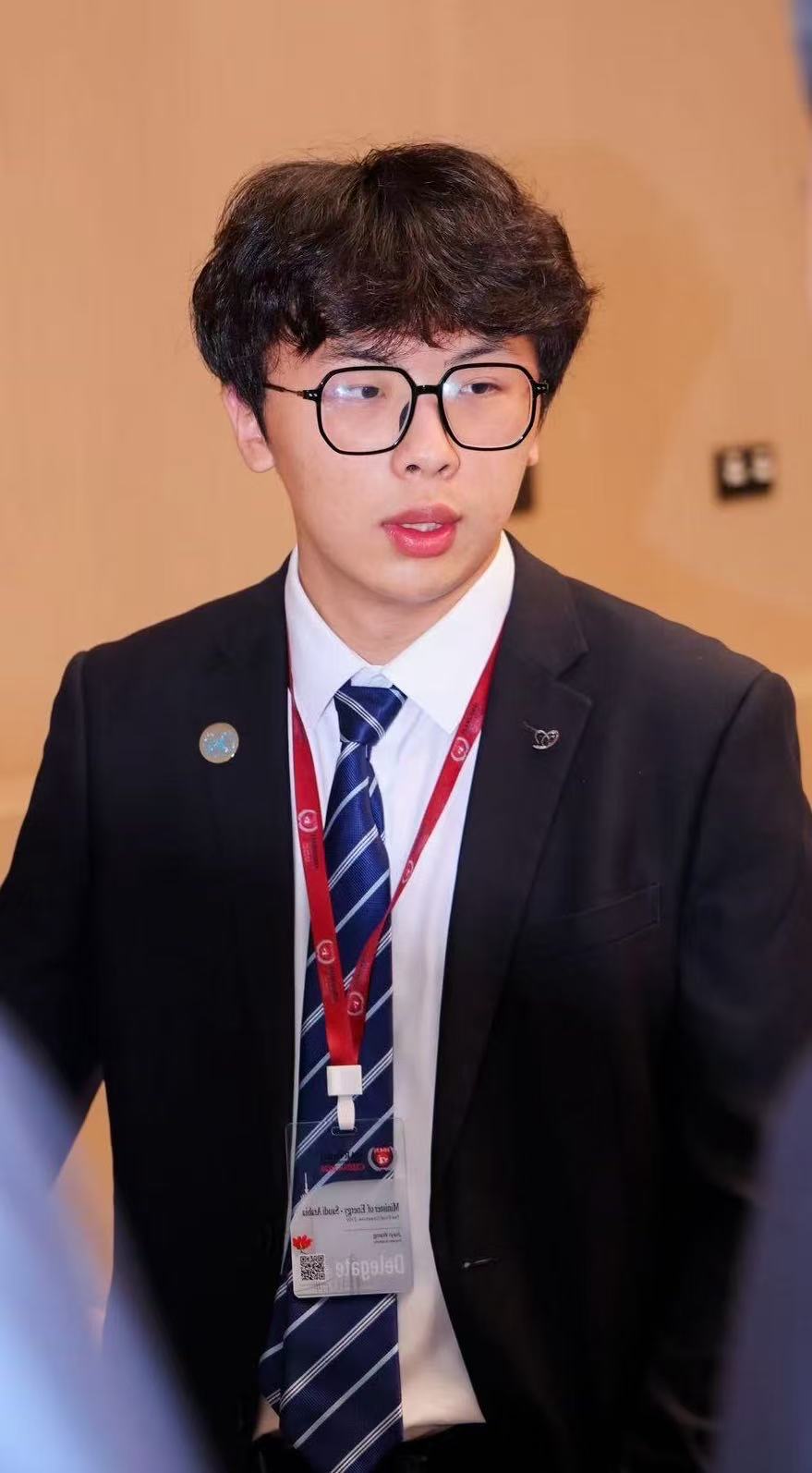
Bryan
Founder & Editor
ukiyo
Data & IT
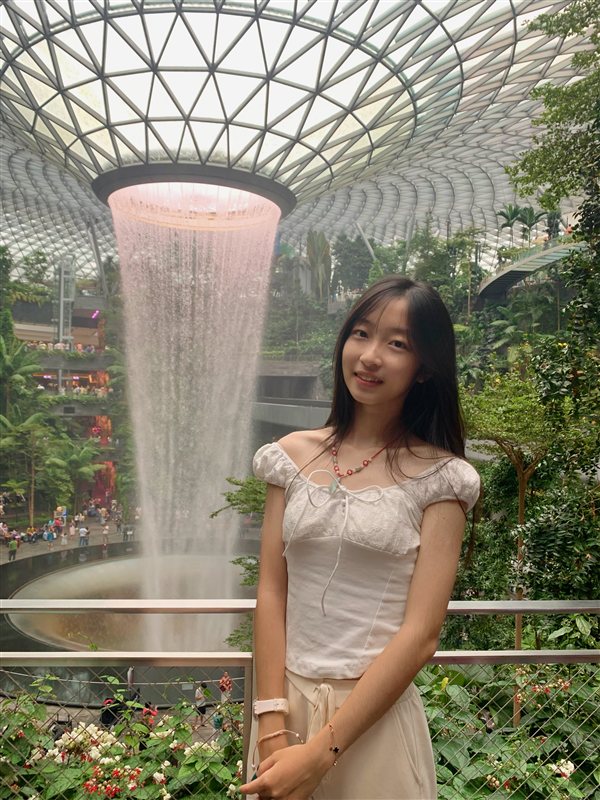
Ryxi
Data & IT
Kiera
Assistant Editor · European Coordinator
Derrick
Art Design & IT
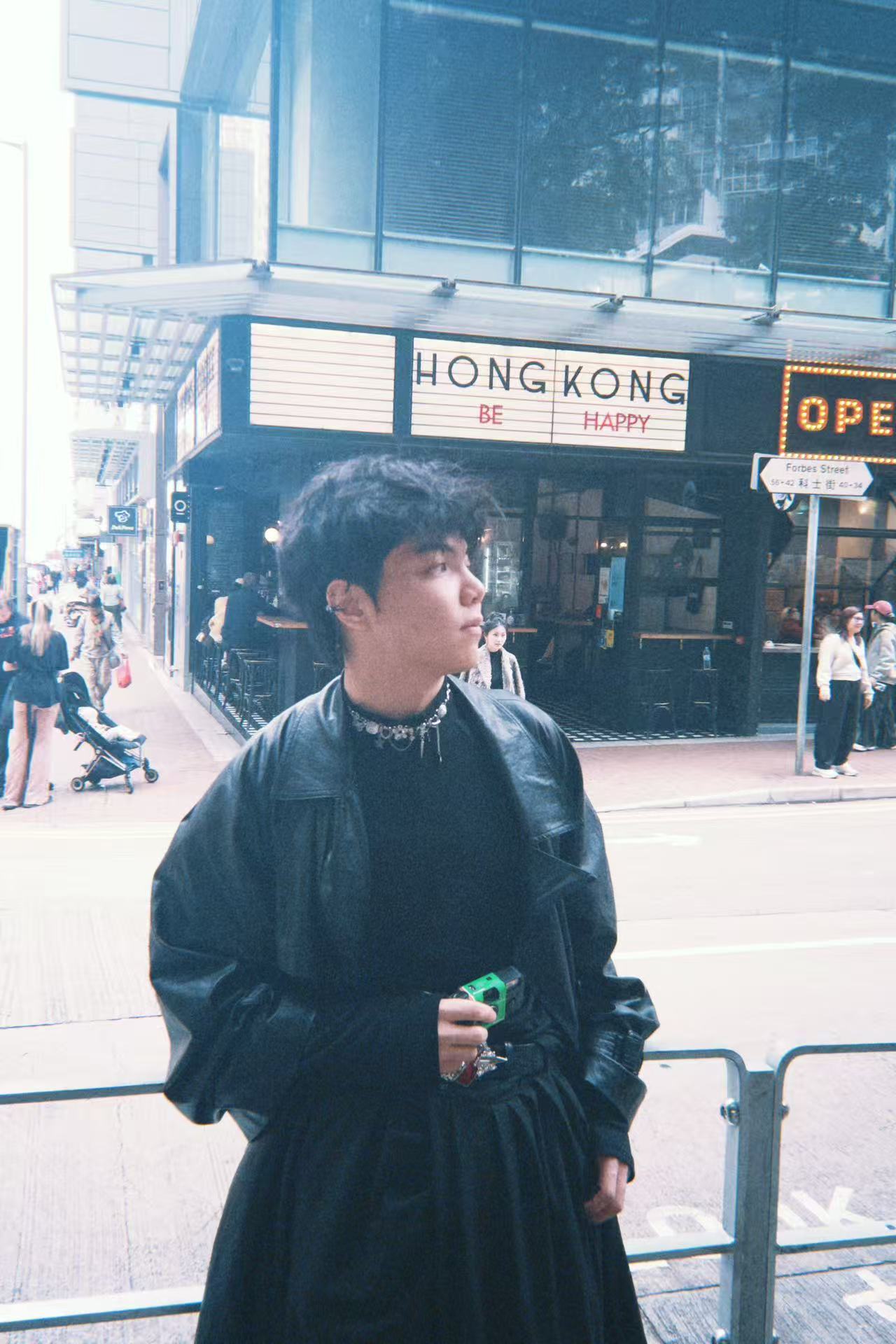
Olword
Editor · Asia Coordinator
Other
Unequal Climate is built by seven young people across three countries — editors, researchers, designers and engineers who believe climate stories deserve to be told whole.
Founder & Editor
Data & IT
Data & IT
Assistant Editor · European Coordinator
Art Design & IT
Editor · Asia Coordinator
Q&A
A practical Q&A for readers, contributors, interviewees, and collaborators. Unequal Climate is an independent, student-founded multimedia platform exploring climate change through inequality, climate justice, policy, visual evidence, and human experience.
Understanding the Project
Unequal Climate is an independent multimedia platform that explores climate change not only as an environmental problem, but also as a question of inequality, power, policy, place, and human experience. It brings together original stories, visual work, data and interactive material, analysis, and outside perspectives to examine how climate change is experienced differently—and why those differences matter.
Climate information is everywhere, yet information alone does not always create understanding. Scientific measurements can tell us that the climate is changing; they do not automatically explain who is most exposed, whose losses are recognized, whose knowledge counts, or who gets to shape the response. Unequal Climate was created to connect evidence with those larger questions.
Because climate change is global, but neither its causes, consequences, resources, nor political power are evenly distributed. Some communities contribute relatively little to the crisis while facing serious risks. Others may have greater resources to adapt or greater influence over the rules used to define solutions. "Unequal" therefore refers not only to unequal impacts, but also to unequal voice, recognition, capacity, and decision-making power.
Unequal Climate is a student-founded independent project led by a high school student and developed with contributions, interviews, perspectives, photographs, research, and other materials from people working on or experiencing climate-related issues. It is not presented as the official project of a school, government, NGO, university, or other institution unless a specific collaboration is explicitly identified.
No. Unequal Climate is currently an independent multimedia platform and editorial project. It should not be understood as a registered nonprofit organization, government body, academic institution, or advocacy organization. Its purpose is to document, explain, connect, and question climate issues through accessible public-facing work.
Content & Editorial Approach
The platform is organized around several forms of storytelling and analysis, including Original Stories, Photo Essays, Interactive material, Thinking, Action, and supporting material in Other. Different formats serve different purposes: some explain, some visualize, some document, and some invite readers to think about what can be done next.
Unequal Climate is not designed to cover every climate headline. Its focus is narrower: the gap between a climate problem and the way that problem is recognized, represented, governed, and experienced. Rather than asking only "What is happening?", the platform often asks "To whom?", "Why differently?", "Who gets heard?", and "Who gets to decide?"
Not in the conventional sense. The platform may discuss current issues, but its primary purpose is not rapid breaking-news coverage. It is closer to a multimedia editorial and educational platform built around original storytelling, research, interviews, visual evidence, and analysis.
Climate justice is a central lens, but not the only subject. Unequal Climate also looks at environmental change, public policy, migration, adaptation, carbon governance, visual storytelling, community experience, and other topics that help explain why climate change affects people and places differently.
Unequal Climate may examine policy choices, institutions, power, inequality, and competing approaches to climate action. Its goal, however, is to make arguments through evidence and clearly identified perspectives rather than to function as a party-political campaign. Where an issue is contested, the platform aims to distinguish evidence, interpretation, and opinion rather than present them as the same thing.
Sources, Accuracy & Transparency
Depending on the piece, information may come from scientific research, public datasets, government or institutional documents, reputable reporting, interviews, field or visual material, and other clearly relevant sources. Individual stories should identify their sources so readers can see where major claims come from.
The platform aims to verify factual claims against credible sources, distinguish documented facts from interpretation, and provide attribution where appropriate. Climate topics can involve uncertainty, changing data, and genuine disagreement; when those distinctions matter, the goal is to make them visible rather than hide them.
Interview responses may be lightly edited for clarity, grammar, length, or formatting while preserving the contributor's intended meaning. If substantial restructuring or condensation is needed, the contributor can be consulted before publication. The aim is to preserve a person's voice rather than turn every answer into the platform's voice.
If a factual error is identified, Unequal Climate should review the underlying source and correct the material when warranted. Readers and contributors are encouraged to flag possible errors or missing context through the contact channel on the website.
Digital tools, including AI-assisted tools, may be used in parts of the research, drafting, organization, design, or technical workflow. They are not treated as authoritative sources. Factual claims should still be checked against appropriate underlying sources, and editorial responsibility remains with the people publishing the material.
Photos, Interviews & Contributions
Photo Essays and other visual features may include original material or work contributed or authorized by photographers, researchers, organizations, community members, or other collaborators. When outside material is used, the goal is to provide clear attribution and respect the contributor's stated copyright and usage conditions.
Not automatically. Contributors retain the rights they hold in their work unless a separate agreement explicitly says otherwise. Publication permission should be understood as permission to use the agreed material for the agreed Unequal Climate feature, with credit and any applicable conditions made clear.
Potential contributors can include photographers, researchers, students, educators, community members, nonprofit practitioners, policy professionals, artists, and others with relevant knowledge, experience, or work. A contributor does not need to become a long-term member of the project.
It can be simple. A contributor may answer a short set of written questions, join a brief conversation, share a perspective, or—if they choose—allow selected photographs or other material to accompany the feature. The exact format can be adapted to the person and the story; participation does not imply an ongoing commitment.
Yes. A useful perspective does not depend on having images to contribute. Some collaborations may center on an interview, written response, expert explanation, or other form of contribution.
Potentially, yes. The platform can discuss a format that fits the contributor's preferences and the editorial purpose of the piece. However, Photo Essays are intended to connect visual material with context and voice, so some accompanying explanation will usually be valuable.
Yes. Contributors should receive clear attribution appropriate to the material they provide, including names, roles or affiliations when relevant and approved, links where appropriate, and copyright or usage information for visual work.
For interviews and contributed visual material, Unequal Climate can share relevant quotations, captions, credits, or the contributor's section before publication when appropriate—especially when accuracy, attribution, or context could be affected. Editorial control over the overall page remains with the platform unless otherwise agreed.
Participation, Independence & Contact
No payment should be required simply to be interviewed, considered for a contribution, or featured editorially. Editorial inclusion should be based on relevance and fit, not payment.
No. Publishing an interview, photograph, or outside perspective means that the contribution is relevant to the subject being explored. It does not automatically mean that Unequal Climate endorses every view, organization, project, or position associated with that contributor.
Yes, when there is a clear connection to the platform's climate focus and the collaboration can be presented transparently. Possible forms include interviews, educational resources, visual contributions, expert perspectives, or project-based collaboration. Any relationship that could affect how readers interpret a piece should be disclosed appropriately.
Yes. Unequal Climate is student-founded, and student perspectives can be valuable when they are thoughtful, relevant, and supported by appropriate evidence or experience. The same standards of clarity, attribution, and editorial review should apply regardless of a contributor's age or title.
Yes. Suggestions can help identify overlooked places, voices, evidence, and questions. A suggestion does not guarantee publication, but relevant leads can be considered for future stories, interviews, Photo Essays, or interactive work.
Use the contact or collaboration information provided on the Unequal Climate website. When reaching out, it is helpful to briefly explain who you are, what you would like to contribute or discuss, and how it connects to the platform's focus.
No—and that is intentional. Unequal Climate is designed as a growing platform. New stories, perspectives, photographs, data, and collaborations can change what the project is able to show. The goal is not to create a final answer to climate inequality, but to build a clearer record of the questions, evidence, and voices that are too often separated from one another.
Contact
For collaborations, interviews, contributions or questions, write to our official inbox: support@unequalclimate.com